Accepting submissionsOct. 9 - Nov. 8, 2026Start the walkthrough →

UMD Campus Event · October 9th - November 8th, 2026

Real Places. Real moments.
Verified.

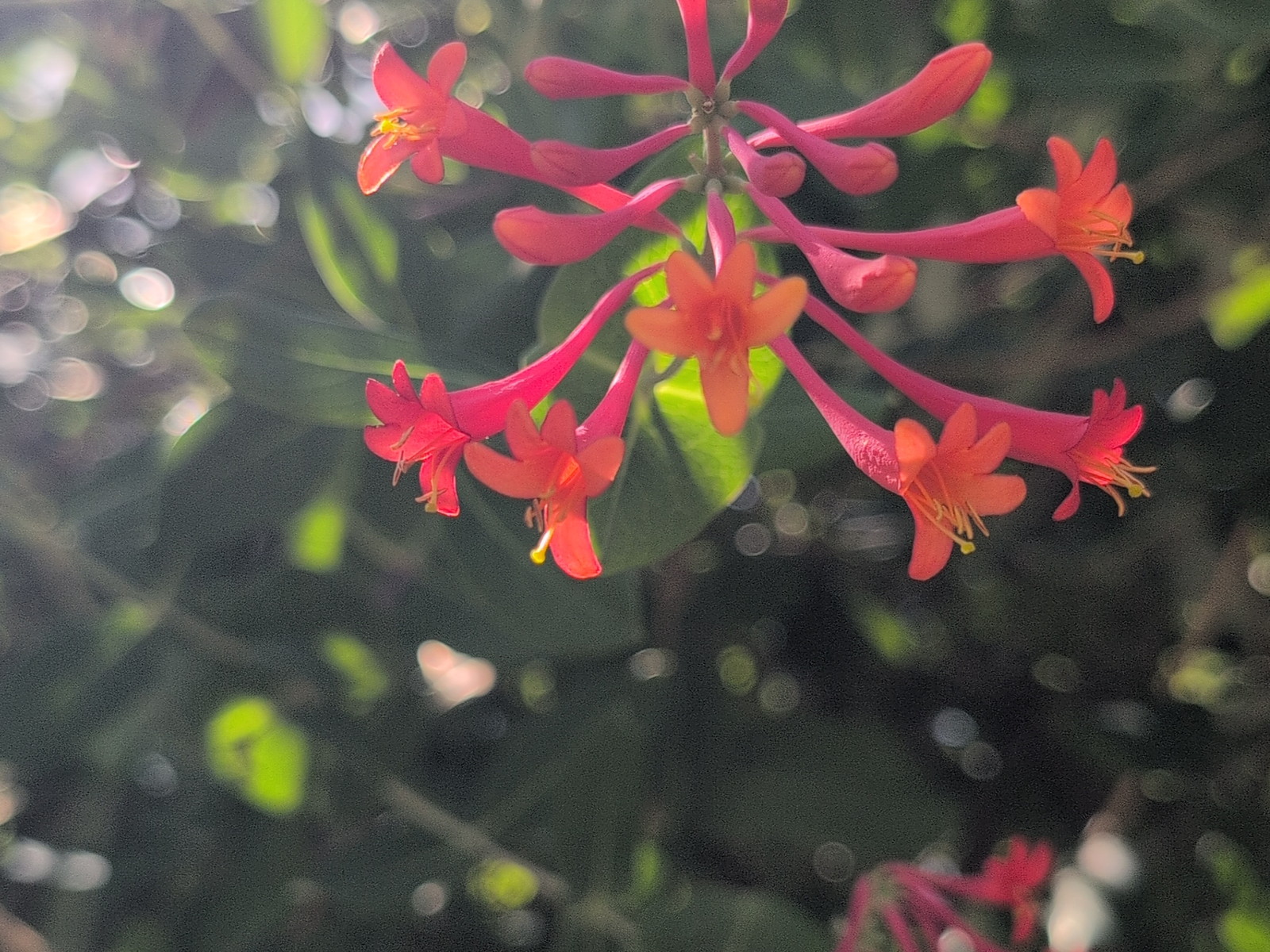
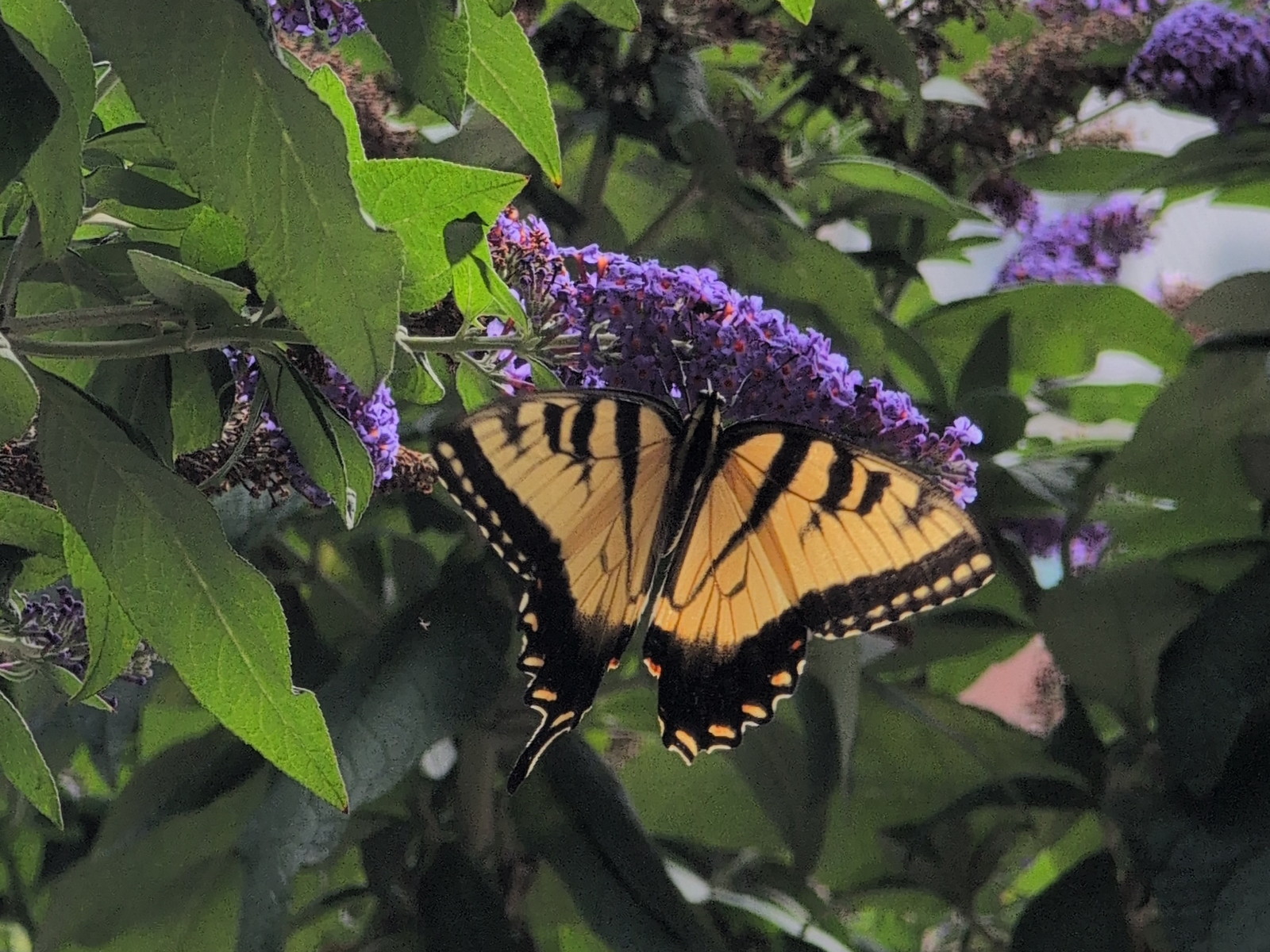
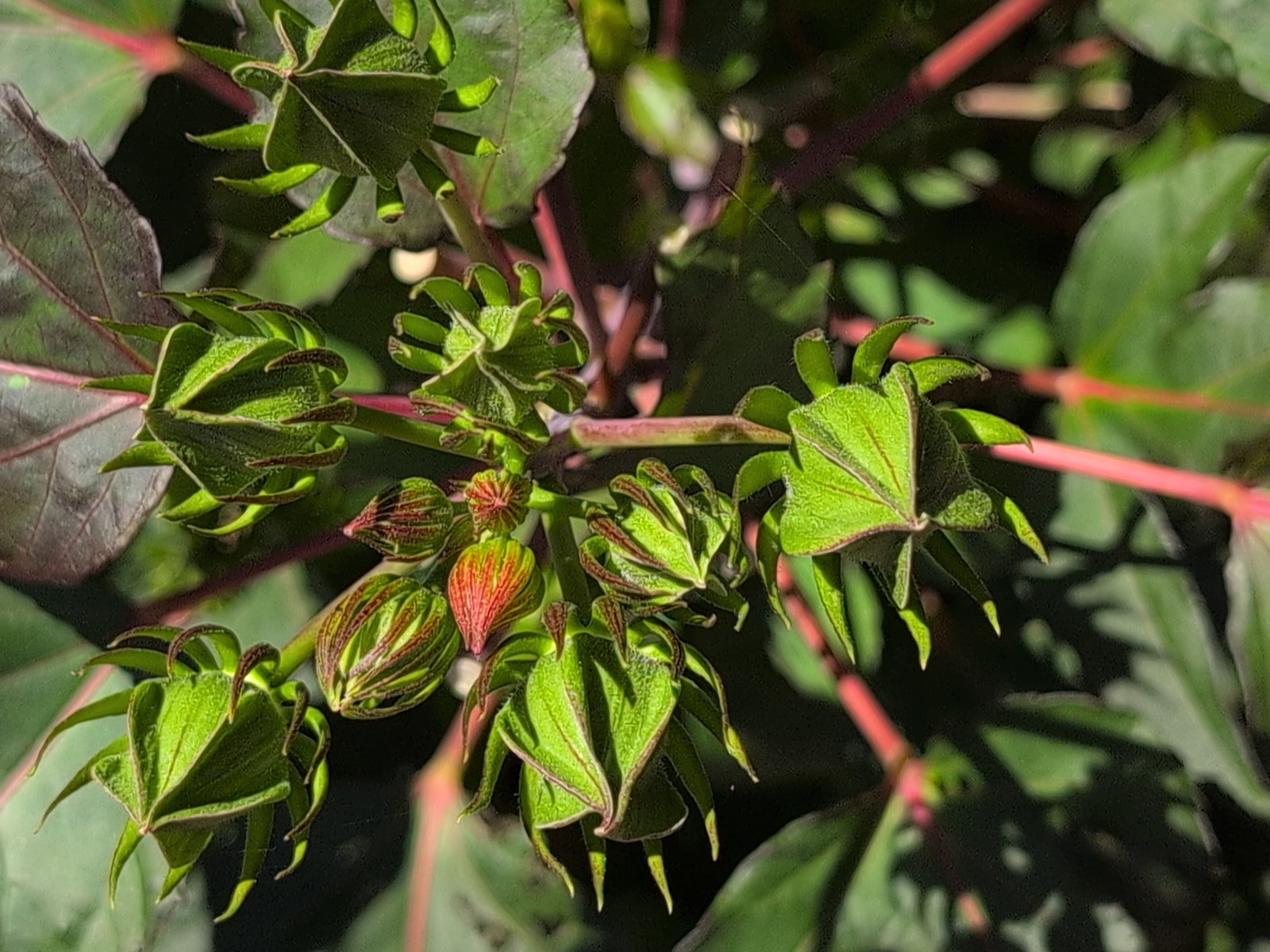
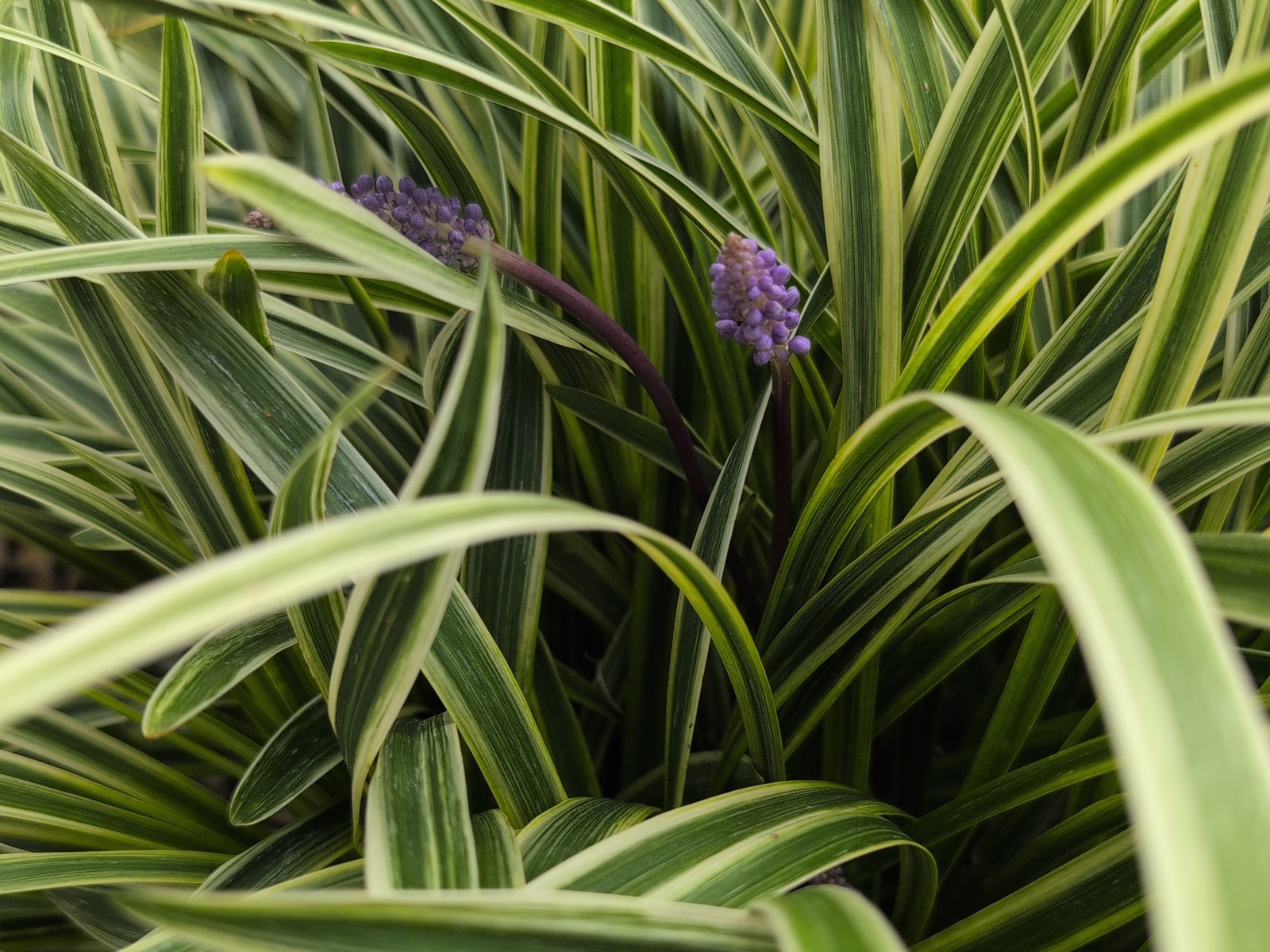
Get outside and experience UMD’s Arboretum and Botanical Gardens for yourself. Compete for an opportunity to upwards of $1,000 in prizes. Photograph the places, plants, wildlife, and moments you encounter with Proofmode for Android, then contribute a trusted record of what was seen, where it happened, and when.
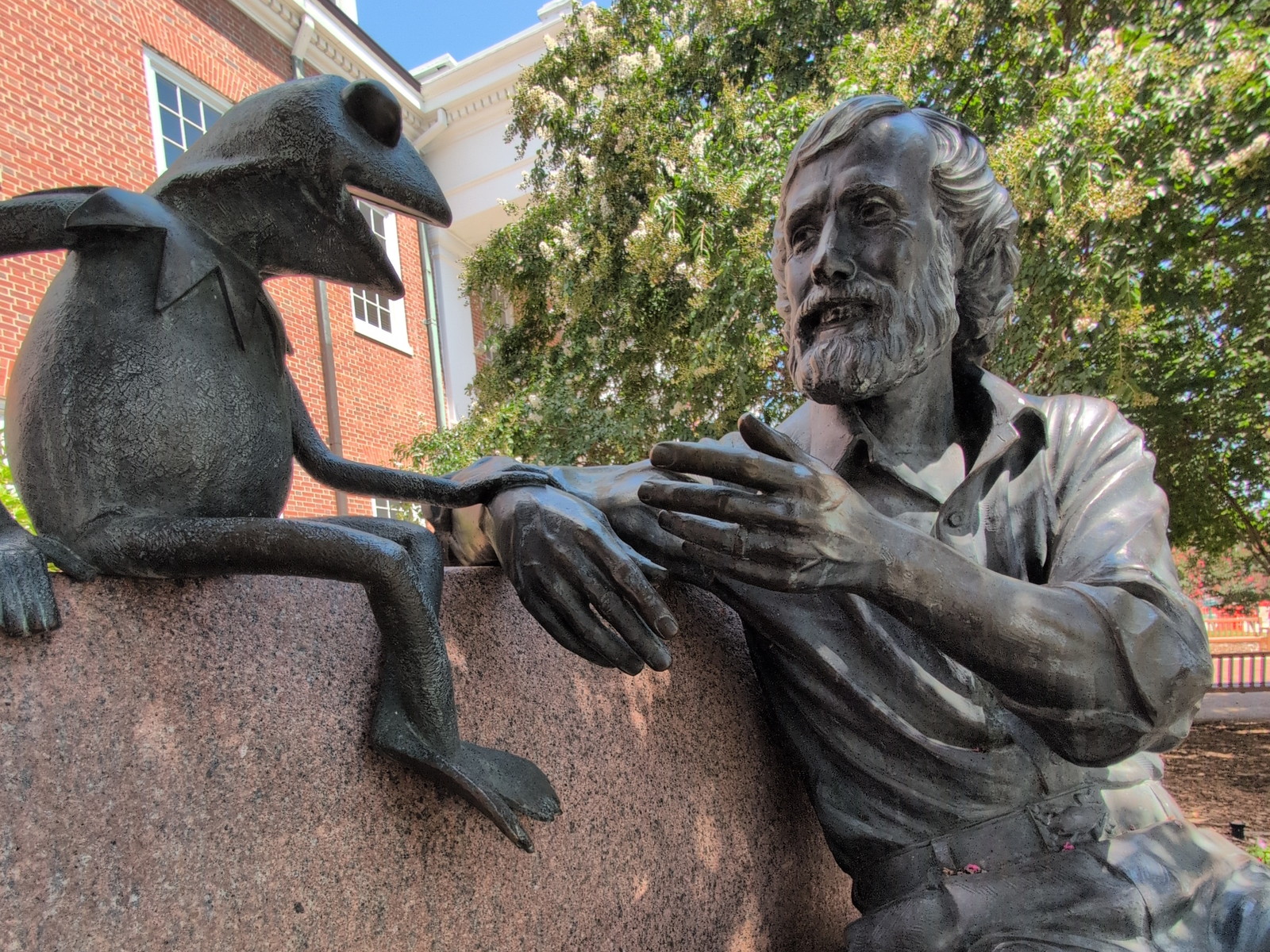
Compete for prizesPublic submission map — coming soon

Event Overview

Why participate

Full instructions →

The UMD Garden Crawl, is an invitation to step outside, look more closely, and share the places and moments that make UMD’s campus feel alive. From a favorite garden path to an unexpected bloom or a wildlife encounter, every Submission starts with something you experienced yourself. Take part for a chance to win up to $1,000 in gift cards and prizes while helping build a trusted record of UMD’s living landscape. The event runs October 9th - November 8th, 2026

Photos are captured with Proofmode and include verifiable information about where and when they were taken using a new experimental feature in the Android app. Together, these authentic observations create a trusted, community-built record of the Arboretum and Botanical Gardens—one based on real experiences, not generated or fabricated ones.

Compete

Participate your way

Categories & rules →

Explore on your own terms from October 9th - November 8th, 2026 and compete for up to $1,000 in gift cards and prizes.

01

Garden Crawl Challenge

Be the first to submit a valid entry from every Garden Submission Area.

02

Daily Visitor

Build the longest Daily Visitor streak during the event.

03

Explorer

Earn the most Explorer Days during the event.

04

Nature in Focus

Capture the Arboretum’s natural beauty in your most compelling photograph. Submit a photo that highlights its gardens, plants, wildlife, landscapes, or seasonal character.

How it works

Glass-to-glass verification

How a Capture is checked →

From the instant light hits the camera sensor to the instant a recipient checks the media for themselves — one unbroken chain, with no point where you have to take our word for it.
Verification stage

Stage 01 · The capture glass

Hardware-level attestation

The pipeline begins at the lens. The moment light hits the sensor, Proofmode builds a cryptographic snapshot of the physical moment — binding the raw file to the sensor readings around it, and signing the whole bundle with a key held on the device.

Raw pixels bound to sensor telemetry, not attached afterwards.
Location, hardware timestamp, and ambient conditions travel with the file.
Signed locally, so the proof never depends on our servers.
Proofmode is open source — the process can be audited.
Proof bundle · sampleon device
coordinates38.98692, -76.94261
captured2026-10-07T14:22:08-04
C2PA manifestValid

Signed on the phone before the file is ever written — not on a server afterwards.

Stage 02 · The storage layer

Content-addressable integrity

The signed bundle is pushed to IPFS, which hashes it into a permanent Content Identifier. The file stops being a fragile name on somebody’s server and becomes a deterministic mathematical value.

The CID is derived from the content itself.
Modify a single byte and the link breaks, visibly.
Stored across nodes rather than one server we control.
Anyone can fetch the same bytes from any gateway.
Content identifierIPFS
bafybeigdyrzt5sfp7udm7hu76uh7y26nf3efuylqabf3oclgtqy55fbzdi
hashSHA-256 multihash

Change one pixel and this string changes completely. The name is the checksum.

Stage 03 · The ledger anchor

Time and state immutability

A smart contract anchors the CID and the signing key onto the blockchain. It works as a decentralized notary: an unalterable record that this media existed in exactly this state at exactly this moment.

Writes the CID, the Wallet address, and a timestamp.
Establishes when the capture existed, not just that it does.
Prevents retroactive alteration or backdating.
The receipt is public and independently readable.
Attestation · sampleon chain
cidbafybeigdy…5fbzdi
wallet address0x7c4a…9f21
timestamp1791469328
networksepolia
uid0x9e3f2b…7c8028
coordinates38.98692, -76.94261

A time-anchor. The bundle provably existed in this exact state at this block — no backdating.

Stage 04 · The viewer glass

Independent verification

The pipeline ends at somebody else’s screen. Rather than taking a platform’s word for it, a verification client reads the ledger, pulls the file from IPFS, and re-checks the whole chain — closing the loop from the capture glass to the viewing glass.

Confirms the file hashes match the anchored CID.
Confirms the C2PA manifest is valid.
Confirms the ledger receipt matches the asset’s history.
The published Attestation and media can be checked without this website.
Verification resultAll checks pass
Media file matches CID
C2PA manifest valid
ledger receipt matches
wallet address0x7c4a…9f21

Anyone can run this. No account, and no trust in us required. What is public →

Presented in collaboration with

  • Decentralized Geospatial Collaborative
  • EASIER Data Initiative
  • UMD Department of Geographical Sciences
  • Astral
  • Filecoin Foundation for the Decentralized Web
  • Guardian Project
  • Open Geospatial Consortium
  • Climate Collective
  • International Center for Innovation in Geospatial Analytics & Earth Observation

Decentralized Verification

Every eligible entry is a cryptographically verifiable submission stored on the blockchain. It includes evidence of when and where it was captured, keeping the event transparent and fair. All photos are stored on decentralized networks to make the submission process independently verifiable.

These technologies do not make a Submission permanently available or completely anonymous. The Public submission map displays the wallet address associated with an Attestation and may display capture coordinates and Proofset metadata. Media may be stored on IPFS and may be replicated by other nodes.

Read the privacy and storage information before you submit.

Read the FAQ →